

Aubrey Simonson


Teas to Refresh You!
Spring has been slow to arrive this year, but it appears that later this week, it should finally be here. The trees have leaves again. The snow is gone. The world is definitively, finally more green. We may even start to see the sun again, soon. I’ve moved my plants outside. And the warm cup of Hot Cinnamon Spice which you’ve been drinking since October no longer feels quite right for the situation. Here are a few teas which are a little more refreshing, for mornings upon which you may be debating breakfast in the backyard, or quiet evenings listening...
Aubrey Simonson


Chamomile: The Relaxing Tea
A lot of people come into the shop asking if we have teas which help with arthritis, or with stomach aches, or with any other assortment of ailments. Our response is usually that we sell tea, and that they should probably try a doctor. There’s a great deal of the lore out there about the healing properties of various herbal teas is just that-- lore. However, chamomile is the exception to that rule. Chamomile has a storied folk history. It is known as everything from a hair treatment to an anti-inflammatory, and is renowned for its ability to reduce...
Robert O'Brien


Tea, Colonialism, and Culture: The East India Company's Contribution to Tea's Popularity
The British Navy, after defeating (or, perhaps, nature's defeat) the Spanish Armada, was in prime position, and the Queen sanctioned the development of a private trading company. Supported by contributions from private investors, which – though she could not have known it – impacted the following centuries in ways arguably more devastating and important than any other similar group. Raw silk from China and Japan, saltpeter (for gunpowder) from India and China, indigo dye from the Persian coastline, cotton from the hotter eastern regions, and of course: tea. Though largely untasted in England when the company was formed, tea would...
Robert O'Brien

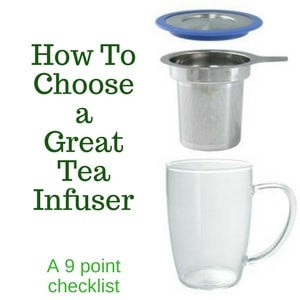
How to choose a great tea infuser for your cup.
5 Point Feature Checklist Making loose leaf tea is easy with a great infuser. A great infuser will last for years and, most importantly, make you a great tasting cup of tea. Make sure that the infuser is - Made of sturdy. thick stainless steel. As wide as the cup. Covered with tiny holes (.3mm) along the side and bottom. Sits 2 inches deep in the tea cup for maximum water circulation. Handle is large and easy to use. Additional comments A wide infuser opening makes adding your loose tea easy and keeps stray leaves from falling into your cup. A deep and wide...
Recent articles
Categories